Most therapy, whether it's CBT, DBT, or individual, family and couples sessions, works on the same thing: giving you practical ways to handle thoughts, emotions and habits that are hurting your life. Which one fits depends on what you're dealing with and how much support you need right now. At Enhance Health Group in Tustin, the team helps you sort that out in plain terms, and the office is about 10 minutes from John Wayne Airport if you're coming from out of town.
If you're thinking about harming yourself or someone else, call or text 988 right now.
Different types of therapy and what each one treats
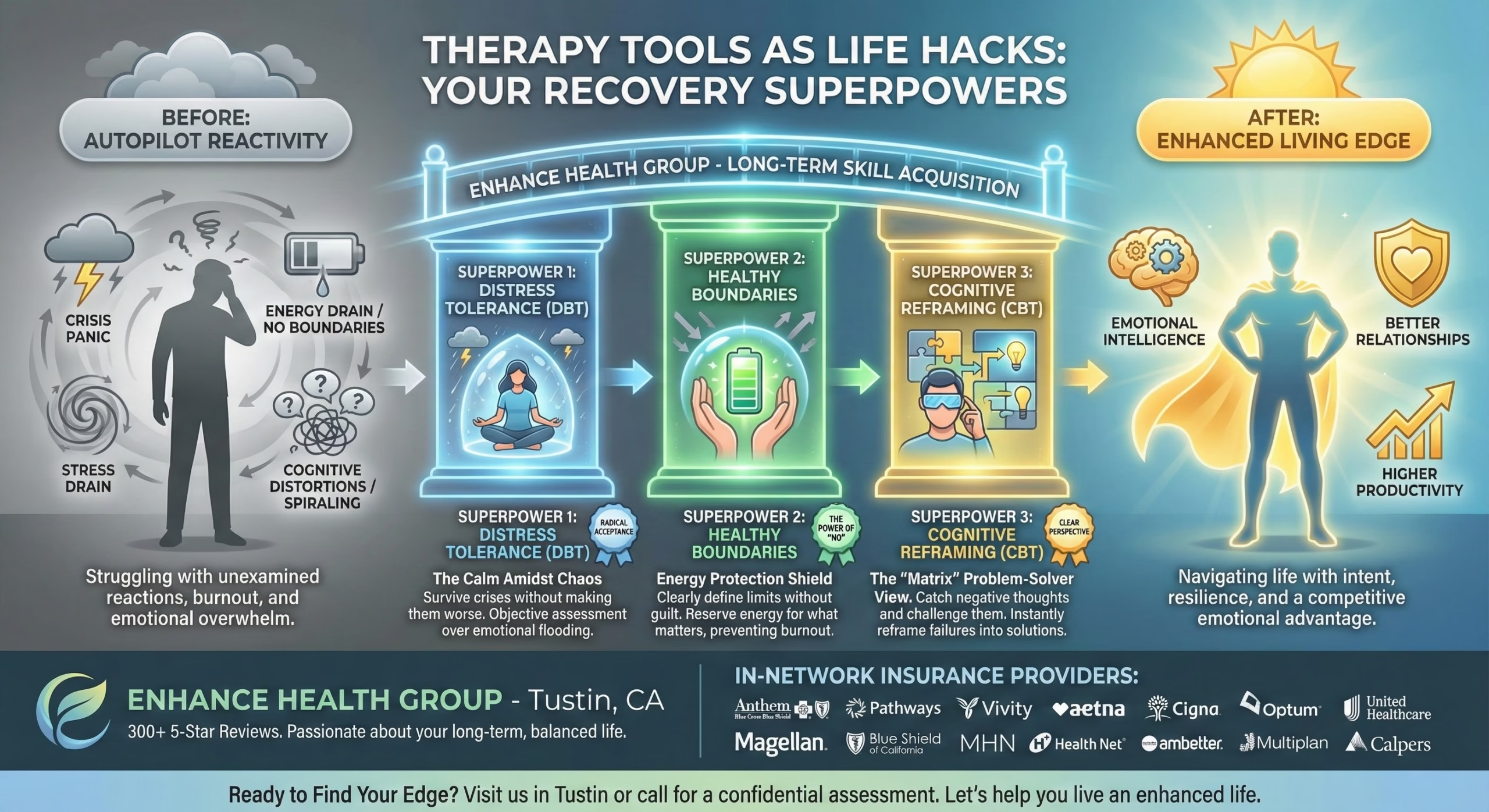
Cognitive behavioral therapy (CBT) targets the link between what you think and how you feel. If anxious thoughts spiral or low mood convinces you nothing will change, a therapist helps you spot those thoughts, test them against what's actually happening, and practice a different response. People often get it for depression, anxiety and panic, and it's built around skills you use between sessions.
Dialectical behavior therapy (DBT) fits when emotions hit hard and fast. It teaches specific skills for riding out a surge of anger, shame or panic without doing something you'll regret, plus ways to handle conflict with people you care about. Enhance Health Group uses both CBT and DBT skills, and the care team picks the mix after meeting you, not before.
Trauma-focused work is different again. Instead of managing symptoms in the moment, you and a therapist slowly work through what happened and how it still shapes your reactions. A good therapist sets the pace, so you're never pushed to describe more than you're ready to.
Then there's the format. Individual therapy is one-to-one with a licensed therapist. Family and couples sessions bring other people into the room. Group therapy lets you practice skills alongside others who understand what you're facing.
One practical point: you don't need to know which type you need before you call. An assessment comes first, and the clinician explains what they recommend and why. Enhance is Joint Commission accredited and holds California Department of Health Care Services certification 300410AP, so you can check those credentials before you commit to anything. Medication management with a licensed psychiatrist can be added when it's part of your plan.
How individual, family and couples sessions differ
In an individual session, you and one licensed therapist work on your own history, your own patterns and your own goals. Nobody else's opinion shapes the hour, which makes it the easiest place to talk about things you're not ready to say in front of a spouse or a parent. Expect to practice skills between visits, such as writing down a thought that tripped you up or trying a breathing technique when your heart starts racing.
Family sessions work differently because the family is the focus, not just one person in it. A partner, parent or adult child joins when their being there would help, for example when a loved one needs to understand a diagnosis, stop walking on eggshells, or learn how to respond when symptoms flare. The therapist keeps the conversation fair, so it doesn't turn into one person being blamed. Sessions can happen by video when getting everyone into one room is hard.
Couples sessions are for the relationship itself. If you keep having the same argument, or one of you is dealing with depression, trauma or substance use and the other is exhausted, a couples therapist helps you both name what's happening and practice talking without it escalating. Enhance Health Group has a couples program, and you can ask admissions whether it fits your situation.
Many people do more than one. It's common to have individual therapy for yourself and add a family or couples session once you've got steadier footing. Your clinician can suggest that mix and change it as you go.
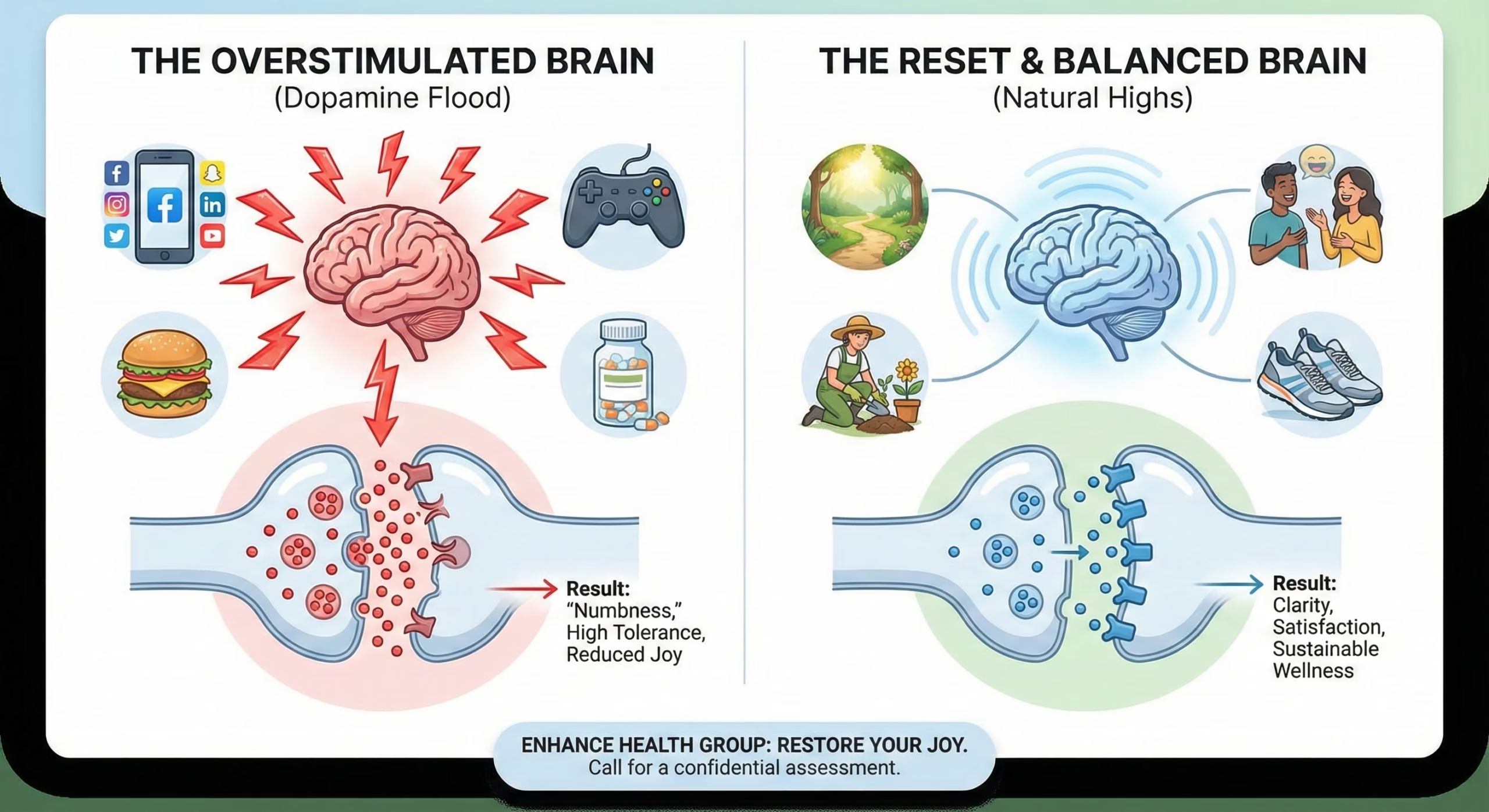
Therapy when mental health and substance use overlap
Treating anxiety, depression or trauma while someone is also drinking or using drugs works best when one team handles both at the same time. If each problem goes to a separate provider, they can pull against each other. A person who drinks to quiet panic can't settle the panic until the drinking is addressed, and they can't stay sober for long while the panic goes untreated. This combined approach is called dual diagnosis care, and Enhance Health Group offers it.
In practice, the therapist asks about both from the first assessment. You'll be asked what you use, how often, and what's going on emotionally when you use it. Answer as honestly as you can. Nobody's building a case against you, and the plan only fits if it's based on what's really happening.
The therapy itself usually draws on the same tools described above. CBT helps you catch the thought that leads to a craving or a drink. DBT skills give you something to do in the first few minutes of a hard feeling, which is often when people reach for a substance. Trauma work is paced carefully when substance use is part of the picture, because stirring up painful memories too fast can push someone back toward using.
Your care team also decides what level of support is safe. Some people can work on both problems in outpatient therapy while living at home. Others need medical detox first, and Enhance admissions can explain how that's arranged through Embrace Treatment Center, a sister facility.
Ask the admissions team directly whether you or your loved one needs one program or two. They'd rather answer that before you start than after.
How therapy changes across levels of care
The therapy types stay the same as you move between levels of care. What changes is how often you're in treatment and how much of your day it takes up.
In outpatient care, you meet with a therapist while living at home and working or caring for family. Enhance offers outpatient by video through virtualtreatmentcenter.com, which helps when driving to an office is the obstacle.
A partial hospitalization program (PHP) and an intensive outpatient program (IOP) are both offered at our Tustin center, at 14742 Newport Ave STE 208. They add more therapy than weekly visits can hold, often with group work alongside individual sessions. PHP is the more intensive of the two. IOP suits someone who has stabilized enough to step down but still needs regular structure. Our supported living homes can add staff oversight for people in PHP or IOP who need a steadier place to live while they do the work.
Inpatient and residential care are for people who need round-the-clock support in a setting built for it. For mental health, that takes place at Eden by Enhance, a sister facility. Enhance admissions stays your first call, and they'll help you work out whether that level fits.
Levels aren't a ladder you have to climb in order. The clinician who assesses you recommends a starting point, and it can move up or down as you do. Someone might begin in PHP, shift to IOP, and finish in outpatient. Ask the team how they decide when it's time to step down, so you know what to expect before you begin.
What happens when you call admissions
A real person from the Tustin admissions team answers, and the first few minutes are mostly questions about you. They'll ask what's been going on, how long it's been happening, and whether anyone is using alcohol or drugs to cope. You don't need a diagnosis or a polished summary. Plain description of the last few weeks is enough.
It helps to have a few things nearby when you call:
- 1Your insurance card, or the member ID and plan name if you've got them on your phone.
- 2A list of any medications you take now.
- 3Names of past therapists or programs, if there are any, and what helped or didn't.
Then the team checks your benefits with your insurance company. They'll explain your deductible, your copay, and which levels of care your plan may cover. Benefits vary by plan, so the answer for your neighbor may not match yours. If you want to go ahead after hearing the numbers, admissions walks you through the next steps.
You'll also get a straight answer about fit. If the details point toward PHP, IOP or virtual outpatient, they'll say so and explain why. If what you describe sounds like it needs detox or inpatient care, they'll explain how that's arranged, so you don't have to research it alone at a stressful moment.
Families can call on behalf of someone else. Expect to be asked what you've noticed and what your loved one is willing to try. The person you're worried about will need to take part in their own assessment, but you can start the conversation for them.
You can also skip the phone. The verify insurance form on the admissions page lets you submit your details and have the team reach out. Or call (714) 862-1907 and ask for a benefits check, then ask which type of therapy they'd suggest you start with.
Common Questions
How long does therapy usually last?
The care team sets the length after they meet you and learn what you're dealing with. Skills-based work like CBT and DBT is built around goals, so you and your therapist check progress along the way and adjust. Ask your therapist at the first few sessions what they'd expect to see changing, and how they'll tell you when it's time to step down or finish.
Will what I say in therapy stay private?
Yes, sessions are confidential. Your therapist keeps what you share private and doesn't pass it along to your employer, neighbors or extended family. The usual exceptions involve safety, such as a risk of serious harm to you or someone else. Ask your therapist to explain exactly how privacy works, including what happens when a family member joins a session, before you begin.
What if I try a type of therapy and it doesn't feel right?
Tell your therapist, because changing the approach is a normal part of care. Some people find CBT worksheets too structured, or they want more time to talk before practicing skills. Your clinician can shift the mix, add a group or family session, or move you to a different level of care. You don't need to wait until you've given up on it to bring this up.
Can I use therapy alongside medication?
Yes, many people do. A licensed psychiatrist can prescribe medication when it's part of your plan, and therapy continues alongside it. The two work on different parts of the problem. Medication can ease symptoms enough that you can use the skills you're learning. Tell your therapist about everything you take, including supplements, so your whole team is working from the same information.