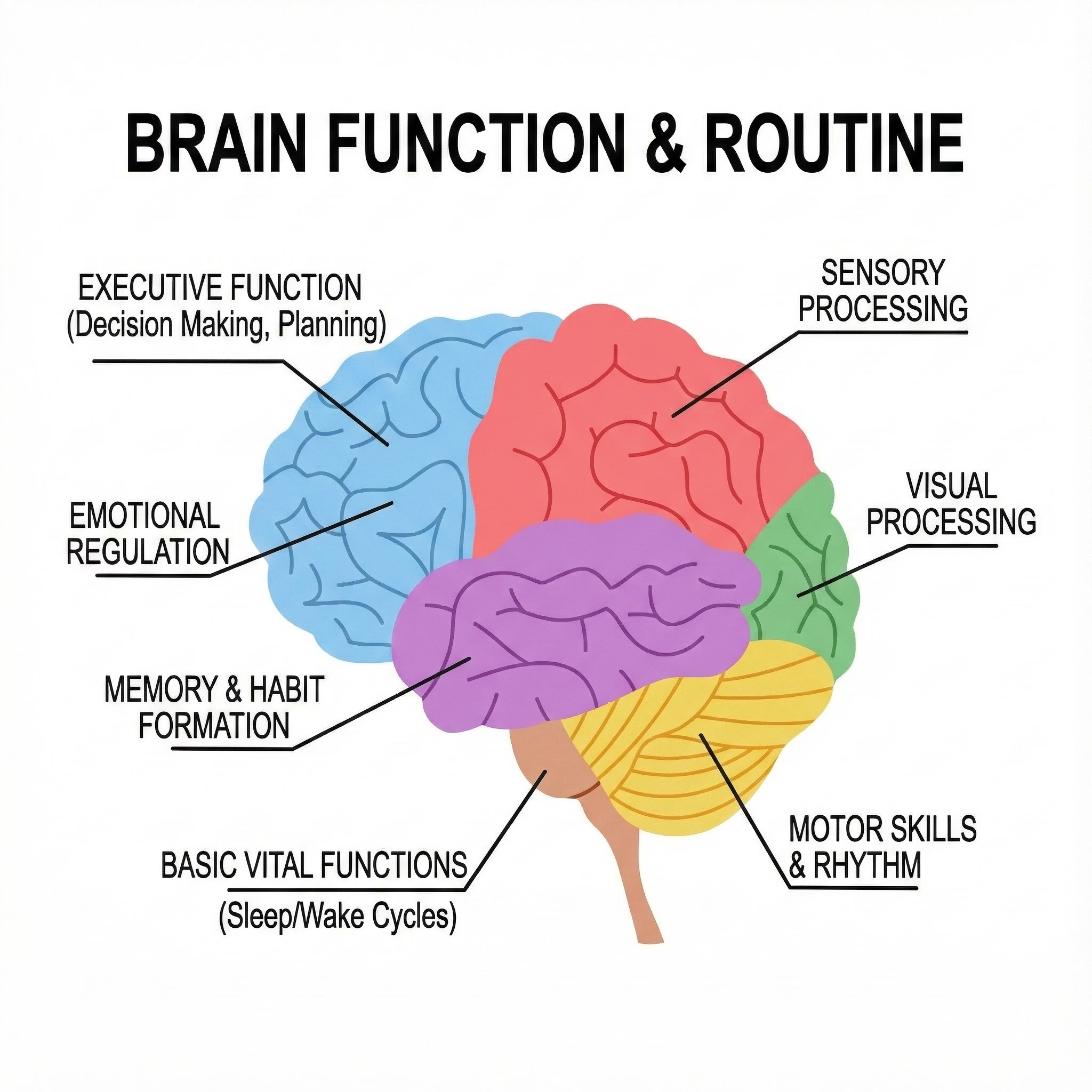
A steady daily routine in addiction recovery gives your brain predictable anchors, like when you wake, eat, show up for treatment, and wind down, so cravings have fewer open hours to fill. Early on, an empty afternoon is often the riskiest part of the day. A simple schedule you can actually keep does more good than an ambitious one you drop by Thursday.
If you're having thoughts of suicide or harming yourself, call or text 988 right now.
Why a daily routine in addiction recovery steadies the first months
In the first weeks without alcohol or drugs, your body is still adjusting. Sleep is often broken, appetite swings, and your mood can change by the hour. A routine takes some of those swings out of your hands. You don't have to decide whether to eat lunch or leave the house, because the day has already decided it for you.
Using also ran on its own schedule. There was a time you got up needing it, a place you went to get it, and a group of people you saw while using. When that's gone, the old cues still fire at the same hours. Someone who drank at five o'clock will feel a pull at five o'clock for a while, and a planned task at that hour, like a walk, a meal with someone, or a treatment session, gives the pull somewhere else to go.
Structure also takes pressure off willpower. Willpower runs low when you're tired, hungry, or alone, and those are the conditions routine is designed to prevent. Regular meals, a consistent bedtime, and set times for treatment mean you're making fewer high-stakes decisions on a bad day.
Clinicians at Enhance Health Group in Tustin, a Joint Commission accredited program, often start with a small number of fixed points rather than a full schedule. A good first set looks like this:
- 1A wake-up time you can hit most days, even after a poor night's sleep.
- 2One meal you eat at the same time each day.
- 3Your treatment appointments, treated as the anchor everything else bends around.
- 4A wind-down time with screens off and a plan for the last hour.
Add more only after those hold for a week or two. If you miss a day, pick the routine back up the next morning instead of starting over.
What a structured day looks like in PHP and IOP
A partial hospitalization program (PHP) and an intensive outpatient program (IOP) both give your week a built-in frame, and the main difference is how much of the day that frame covers. PHP is the more intensive of the two, so more of your day is anchored by treatment. IOP takes less time, which leaves room for work, school, or family. Both are offered at our Tustin center on Newport Ave, and you go home to sleep.
Session times and weekly schedules vary by program and by person, so admissions can walk you through the exact times once they know your situation. We won't guess at them here.
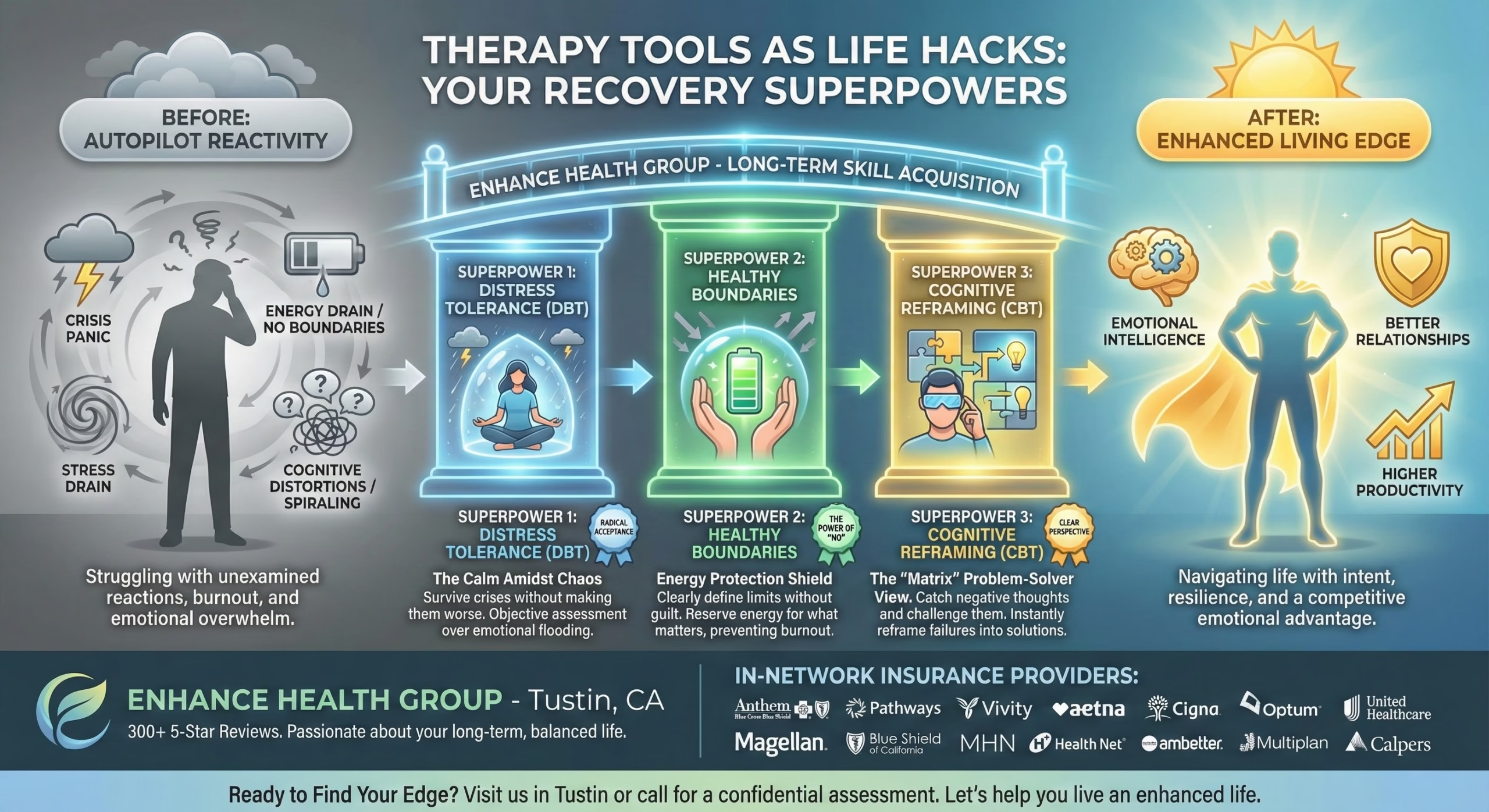
What you can expect to find inside a treatment day is a mix of group therapy, individual sessions with a licensed therapist, and skills work such as CBT and DBT. If medication is part of your plan, a licensed psychiatrist manages it. When addiction and a mental health condition show up together, which is common, dual diagnosis care treats both in the same plan, so you aren't juggling two sets of appointments.
The practical benefit is that the hardest part of your routine is already built for you. You know where you need to be and what you're doing there. That leaves you to arrange the smaller pieces around it, like what you eat before a session or how you get home afterward.
Some people also need a stable place to live while they're in PHP or IOP. Our supported living option offers structured homes with staff oversight for people in those programs, and admissions can tell you whether it fits your situation.
Building a routine at home around your treatment
Start with the hours your treatment doesn't cover, because those are the ones you have to build yourself. Write down your appointment times first, then work backward and forward from them. If you have a morning session at our Tustin center, the hour before it needs a wake-up time, breakfast, and a ride. If you attend virtual outpatient, it needs a login and a quiet spot. If you have an evening session, the afternoon needs something that keeps you steady until it starts.
Keep the plan on paper or on your phone's calendar where you'll see it. A written schedule is easier to follow than one in your head, and it gives a family member something concrete to ask about, like "did you get your walk in?" instead of "how are you feeling?"
Build in the things that tend to slip first. Sleep and meals go early, so give them alarms. Movement matters too, and a twenty-minute walk at the same time each day counts. Chores, errands, and laundry can fill a block of time without much emotional weight, which is useful on days when you feel flat.
Plan your high-risk hour on purpose. If evenings are when cravings hit, put a call, a meeting, or a meal with someone in that slot rather than hoping you'll feel fine. If you live with people who still drink or use, tell them which hours you're protecting.
Expect the routine to change as your treatment does. When you step down to IOP, you'll have more open time, and that's the moment to add structure instead of leaving the space empty. Your therapist can help you adjust the plan as your hours shift, and it's worth bringing your written schedule to a session so you can go over it together.
Filling the hours that used to belong to using
Most people are surprised by how many hours using took up. Buying, using, recovering from it, and hiding it could fill a whole day, so when it stops, you may find five or six hours with nothing in them. Leaving that time blank is how a quiet afternoon turns into a return to use.
Start by sorting those hours into what they used to hold. If your evenings were for drinking with coworkers, you need something social and something that isn't a bar. If mornings were spent recovering, you need a reason to get up. Naming the old job each hour did tells you what the replacement has to do.
Pick activities that use your hands or body, since sitting with a phone tends to invite rumination. Cooking a real meal, cleaning out a closet, gardening, cycling, or swimming at a public pool all work because they have a clear start and finish. Try one new thing a week rather than overhauling everything, and keep the ones that stick.
Add people on purpose. Schedule a standing coffee with a friend who doesn't use, a volunteer shift, or a recovery meeting, and put it on the calendar like an appointment. Orange County has plenty of options, and the Enhance admissions team in Tustin can point you toward groups that fit.
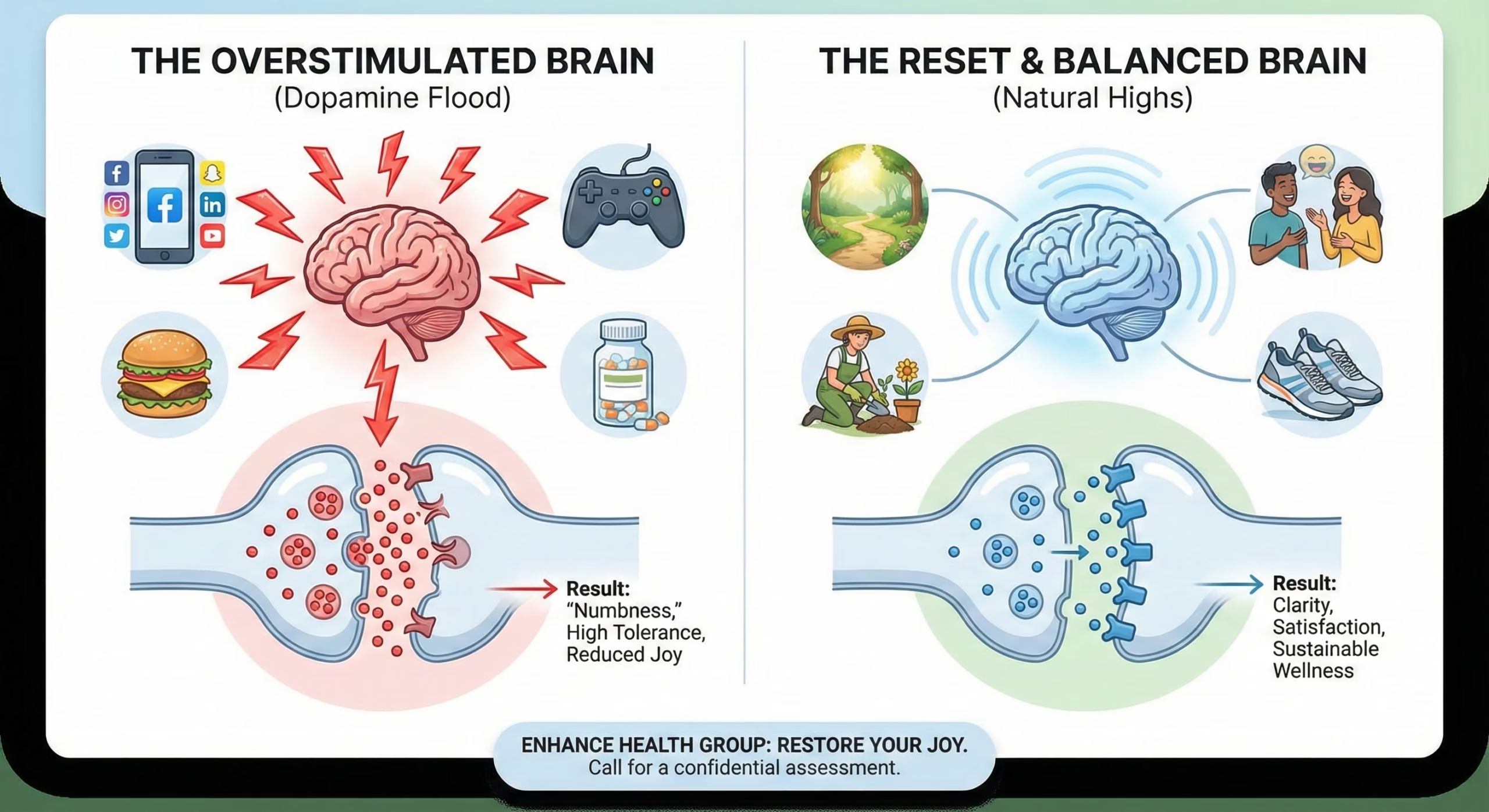
Expect some of it to feel flat at first. Hobbies don't deliver the jolt that using did, and that's normal while your brain adjusts. Give an activity a few tries before deciding it doesn't work.
If an empty stretch keeps ending in cravings despite your plan, tell your treatment team. They can adjust your schedule or suggest more structure, and that's a routine problem, not a failure.
Raising it with a family member and calling admissions
Pick a calm moment for the conversation, not the hour a craving usually hits or right after an argument. Bring your written schedule and ask for one specific kind of help, such as a ride to a session, a standing dinner, or a text at the hour that's hardest. A concrete request is easier for a family member to say yes to than "I need support."
If you're the family member, ask what would help before you offer it. Checking the calendar together works better than quizzing the person about cravings, and it keeps you from becoming the one who polices the day.
When you call Enhance admissions at (714) 862-1907, the Tustin team will ask what you're dealing with, how long it's been going on, and what you're already doing for it. They'll also ask about your insurance. It helps to have your insurance card nearby, a list of any medications, and a rough idea of your work or school hours so they can talk through which level of care fits around them. They'll verify your benefits with your plan and explain what it may cover, since coverage varies by plan.
If detox or residential addiction care turns out to be the right starting point, those levels take place at our sister facility, Embrace Treatment Center. Admissions stays your first contact and will coordinate that step with you, so you don't need to reach out anywhere else.
You don't need a perfect routine before you call. Bring the one you've started and the hours that scare you most, and the team can build from there. To check your insurance or talk with someone, call (714) 862-1907 or use the Verify insurance button below.
Common Questions
How long does it take for a new routine to feel normal?
Most people find a routine starts to feel automatic after a few weeks of repeating the same anchors, though the pace varies from person to person. Early on, it can feel forced or boring, and that's expected. Keep your wake-up time and your treatment appointments steady first, since those hold everything else in place. Your therapist can help you judge whether the pace you're on is realistic.
What should I do when something throws off my routine, like travel or a work change?
Keep the two or three anchors you can control, usually your wake-up time, one regular meal, and your treatment contact, and let the rest flex. Tell your therapist before a trip or schedule change so you can plan the high-risk hours ahead of time. If you can't attend a session, ask whether a virtual outpatient session could cover it while you're away.
Can too much structure backfire?
Yes, a schedule packed from morning to night can leave you exhausted and more likely to abandon it altogether. Rest belongs on the calendar too. If you're skipping items by midweek, the plan is too big, so cut it back to the fixed points that held and rebuild from there. Your treatment team can help you find a load you can keep up.
Does a routine work if I also have anxiety or depression?
It does, and it often helps both. Regular sleep, meals, and movement steady mood and anxiety as well as cravings. On low days, shrink the plan to the basics rather than dropping it. If addiction and a mental health condition are happening together, tell your care team so they can treat both in one plan and set a schedule that fits how you're feeling.