CBT for couples works by teaching both partners to spot the thoughts and habits that fuel the same fights, then practice new responses together with a licensed therapist. At Enhance Health Group in Tustin, that work can sit alongside care for depression, anxiety, or substance use, so you're not choosing between fixing the relationship and treating the illness. You can start with one phone call to admissions.
If either of you is thinking about suicide or self-harm, call or text 988 right now.
How CBT for couples works in treatment
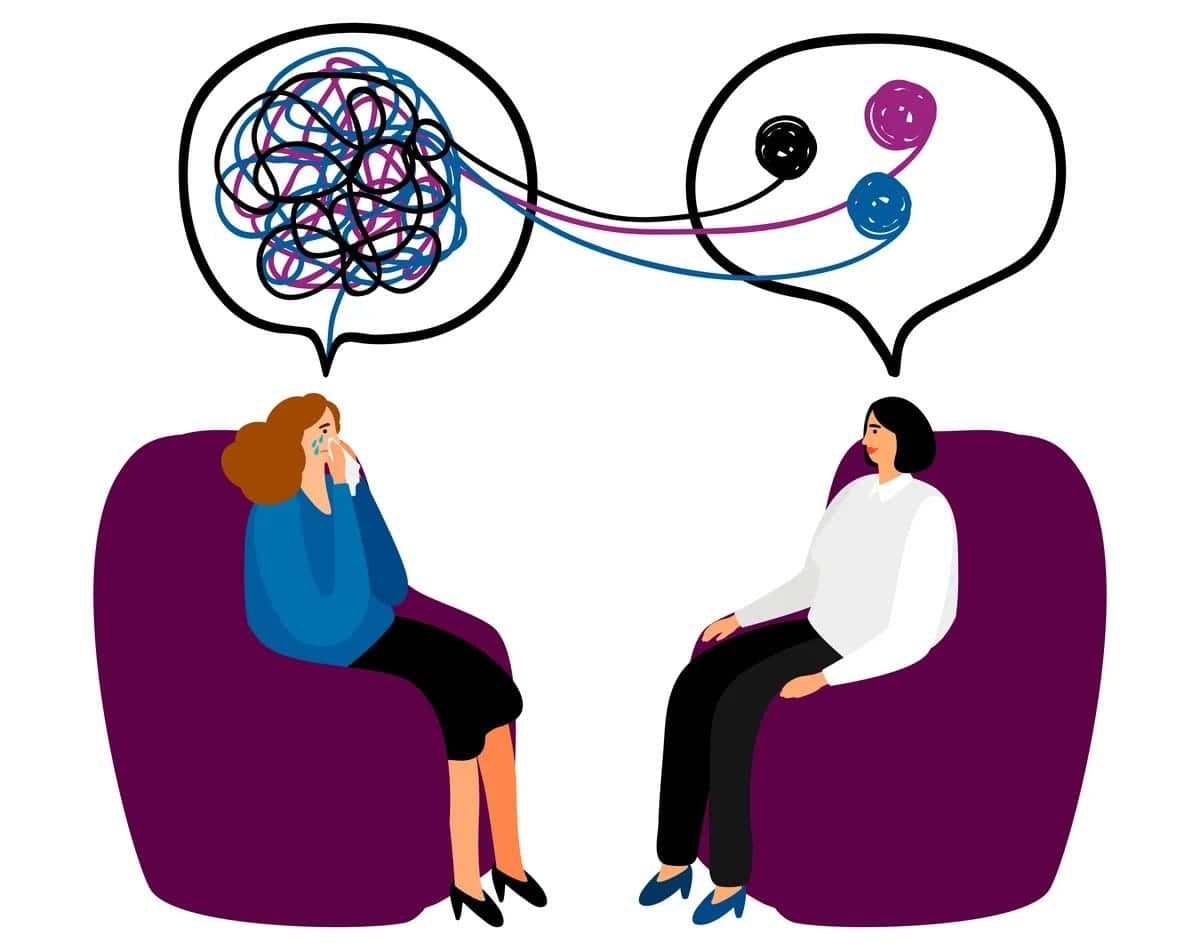
The core idea in CBT is that a thought, a feeling, and a reaction are linked, and in a relationship each partner's reaction becomes the other's trigger. A text that goes unanswered turns into "he doesn't care, " which turns into a sharp reply, which turns into a withdrawn partner. A therapist slows that chain down so you can both see where it started.
In sessions, you'll usually work on a few concrete things:
- 1Naming the automatic thoughts that show up during conflict, such as "she always does this" or "nothing I do is enough."
- 2Testing whether those thoughts hold up against what actually happened.
- 3Practicing a different response out loud, with the therapist coaching in the moment.
- 4Taking a small exercise home, like a planned check-in, and reporting back on how it went.
When one or both of you also has depression, anxiety, or a substance use disorder, the therapist treats those symptoms as part of the pattern rather than as a separate problem. Irritability from untreated depression or the cravings and secrecy that come with drinking or drug use often drive the arguments a couple brings in. At Enhance, individual therapy, medication management with a licensed psychiatrist, and family therapy can be part of the same plan when they fit. Our programs are Joint Commission accredited and certified by the California Department of Health Care Services (certification 300410AP).
Expect the first sessions to be mostly listening. The therapist asks each of you for your own account of what's going on, and they'll talk with you about whether you'd both join sessions, one of you at a time, or a mix. That decision is made with you, not for you.
Signs a couple needs more than weekly therapy
A weekly hour usually isn't enough when the problems between you keep happening faster than the sessions can address them. Three patterns come up often in admissions calls.
The first is that one or both of you is using alcohol or drugs most days, or hiding it. Weekly CBT can't do much while cravings, withdrawal, or secrecy are driving each argument, and a drinking partner may not be able to practice new skills while intoxicated or sick. In that case, the substance use needs its own treatment plan first or alongside the couples work.
The second is that symptoms are getting in the way of daily life. If depression keeps one of you from working, or anxiety has one of you avoiding the house, the relationship is carrying a load that one hour a week won't lighten. A step up to a partial hospitalization program (PHP) or an intensive outpatient program (IOP) gives you several days of treatment each week, and our team at the Tustin center can explain how those programs are set up for your situation.
The third is that you've already tried and the same fights came back. If you've done months of couples counseling and each conflict still ends in the same silence or shouting, the therapist may recommend more support than a standard outpatient schedule offers. That isn't a failure on your part. It tells the care team something useful about how much structure you need.
Pay attention, too, to whether home feels unsafe or unstable. If conflict at home keeps setting off crises, or one partner can't stay stable between sessions, an assessment can tell you whether a higher level of care makes sense. For addiction detox or residential care, that happens at our sister facility, Embrace Treatment Center, and admissions at Enhance is still where you start.
Nobody expects you to decide this alone. An admissions counselor can ask a few questions about what's been happening, and the clinical team recommends a level of care after an assessment.
What CBT sessions look like when both partners are in care
When both of you are in treatment at the same time, each of you usually has your own individual therapy, and the joint sessions are one piece of the plan rather than the whole thing. That means you can say things to your own therapist that you aren't ready to say across the room, and the couples work gets stronger for it.
A joint session tends to start with a quick report on the week. The therapist asks what came up, what you tried from last time, and where it fell apart. From there you pick one real moment, maybe an argument about money or a night one of you came home late, and walk through it step by step. The therapist stops you at the points where a thought turned into a reaction and asks each of you what was going through your head.
Expect to be asked to speak directly to each other, not to the therapist. It feels awkward at first. The therapist steps in when a conversation heats up, slows it down, and has you try the sentence again in a way the other person can hear.
If one partner has a diagnosis that's being treated separately, such as depression or an anxiety disorder, the CBT skills in your individual sessions and the ones in your joint sessions are meant to match. You'll hear the same language in both rooms, which makes the homework easier to use at home.
Outpatient sessions can also be held by video through our virtual outpatient program when getting to Tustin is hard. Ask admissions how that would work for the two of you, since the right format depends on your schedules and the level of care you're in.
Which level of care fits a couple
Most couples start in outpatient care, and the question is whether to step up from there. Outpatient therapy, which Enhance offers virtually, fits when you're both stable day to day, working or caring for family, and mainly need better ways of handling conflict. An intensive outpatient program (IOP) in Tustin adds several treatment days a week while you keep living at home, and a partial hospitalization program (PHP) is the next step up when symptoms are interfering with most of your day.
Couples don't always land in the same place. One partner might need IOP for severe anxiety while the other does fine with weekly outpatient sessions and joins the joint work. Each person is assessed individually, so your plans can differ and still point at the same goals.
Dual diagnosis care matters if mental health symptoms and substance use are tangled together. The team treats both at once instead of asking you to finish one before starting the other, which is usually how couples end up cycling back to the same arguments.
If one of you needs round-the-clock care, the options sit outside our Tustin center. Mental health inpatient and residential care takes place at our sister facility, Eden by Enhance, and the other partner can keep attending outpatient or IOP sessions in the meantime. Detox and addiction residential care happen at Embrace Treatment Center, as mentioned above.
Here's what to have ready when you talk with admissions:
- 1Which symptoms or substance use are most disruptive right now.
- 2Any treatment either of you has tried before, including couples counseling.
- 3Your insurance cards, so the team can check benefits. Coverage varies by plan, and admissions will explain what yours may include.
The clinical team makes the final level-of-care recommendation after an assessment, and they'll walk you through why they chose it.
What happens when you call admissions
A real person at the Tustin team picks up, asks what brought you to call, and writes down your answers so you don't have to repeat them later. You don't need to have a plan or know which level of care you want. Most of the call is questions about what's been happening at home, what each of you is feeling, and whether alcohol or drugs are part of it.
The questions are practical. Expect to be asked about:
Which partner is calling, and whether the other knows about the call.
Current symptoms, such as low mood, panic, sleeplessness, or heavy drinking.
Any past treatment, medications, or hospital stays.
Your insurance plan and member ID.
If only one of you is ready, that's fine. You can call alone, and the team will talk through how a partner might join later. Nobody will ask you to say anything about your relationship that you'd rather save for a clinician.
Once you've shared your insurance details, admissions contacts your insurance company, then explains your deductible, your copay, and which levels of care your plan may cover. Benefits vary by plan, so the answer for your neighbor may not be the answer for you. If you decide to continue, admissions schedules the clinical assessment that determines where each of you fits, and the clinical team explains their recommendation in plain terms before anything begins.
Your information stays private. Admissions won't push you toward a level of care before the assessment, and you can ask as many questions as you need.
Call (714) 862-1907 and tell the admissions team you're looking for CBT for couples, or use the button below to verify your insurance first.
Common Questions
Do we both have to be in treatment for couples CBT to work?
No, one partner can start treatment and the other can join later or only for certain sessions. Each person is assessed on their own needs, so one of you might be in a program while the other attends joint sessions. The clinical team decides the mix with you after the assessment.
What if my partner doesn't want to come?
You can still begin on your own, and that often helps. Working with a therapist on your own thoughts and reactions changes how conflicts play out at home. Many partners become willing once they see the first person trying something different. Admissions can talk with you about ways to invite them without it feeling like blame.
Is CBT for couples different from marriage counseling?
It's more structured. Traditional counseling often centers on talking through feelings and history. CBT focuses on the specific thoughts and habits driving your fights, gives you skills to practice in session, and sends you home with exercises. It also treats depression, anxiety, or substance use as part of the pattern rather than a separate issue.
Do unmarried or long-distance couples qualify?
Yes. What matters is that two people want to work on how they relate to each other, and marriage or living together has no bearing on that. Partners of any kind can be part of the plan. If distance is the issue, ask admissions whether video sessions could work for your situation and your level of care.
Will what I say in my own sessions be shared with my partner?
Your individual sessions are confidential, and your therapist doesn't pass along what you say there unless you agree to it. Joint sessions are different because both of you are in the room. Ask your therapist at the start how they handle information that comes up separately, so you both know the ground rules before you begin.