
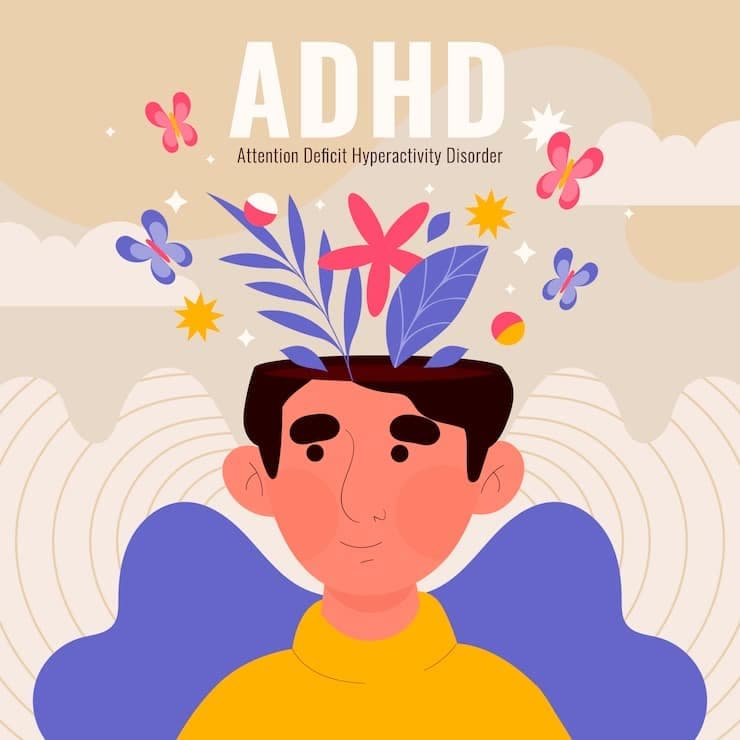
ADHD and mental health problems often show up together, and untreated ADHD can feed anxiety, low mood, and trouble with sleep and relationships. When the attention problems, the worry, and the exhaustion all pile on at once, it can be hard to tell which one started first. A clinician can sort that out with you, and treating them together usually works better than treating one at a time.
If you or someone you love is thinking about suicide or self-harm, call or text 988 right now.
How ADHD and Mental Health Conditions Overlap
Anxiety and depression are the two conditions most often tangled up with adult ADHD, and the reason is mostly day-to-day wear. If you lose track of deadlines, forget appointments, or reread the same email four times, you spend a lot of energy covering for yourself. That constant bracing looks a lot like anxiety, and the guilt after a missed commitment can slide into low mood.
The overlap also runs the other direction. Anxiety makes it hard to concentrate, and depression slows your thinking and drains motivation, so both can mimic ADHD. Trauma does something similar. A mind that stays on alert scans the room, jumps between thoughts, and can't settle on one task. That's why two people with the same complaint of "I can't focus" can need very different treatment plans.
Enhance Health Group treats ADHD, anxiety, depression, trauma and PTSD, so an assessment can look at all of them rather than stopping at the first label that fits. Expect questions about how long the attention problems have lasted, whether they showed up in childhood, how you're sleeping, and what your mood has been like. Symptoms that have followed you since school point toward ADHD, while a focus problem that began after a loss or a frightening event may point somewhere else, or to both.
It helps to bring a few things to that conversation:
- A rough timeline of when the focus, mood, or sleep changes began
- Any past diagnoses, school notes, or medications you've tried
- Examples from work or home, such as missed bills or arguments that keep repeating
Family members often remember details you've forgotten, so it's fine to ask someone close to you to help fill in the history.
Signs ADHD Is Affecting Your Mood, Sleep or Relationships
Mood changes tied to ADHD tend to follow the same pattern: irritability and frustration spike after a task goes wrong, then settle once the pressure is off. If your temper flares over small things like a misplaced set of keys or an interrupted train of thought, and you feel bad about it an hour later, that's worth mentioning to a clinician. A low mood that lingers for weeks regardless of what's happening around you points more toward depression, and it deserves its own look.
Sleep is where ADHD often hides. Many adults with ADHD lie awake because their thoughts won't slow down, then put off bedtime because the quiet evening hours feel like the only time they can focus. Poor sleep then makes attention and mood worse the next day, which sets up the cycle again.
In relationships, the signs usually show up as patterns other people notice first:
- A partner feels ignored because you drift away mid-conversation
- Plans, chores, or promises slip, and the same argument returns every few weeks
- You interrupt without meaning to, or you go quiet to avoid another disagreement
- Friends or coworkers read your forgetfulness as not caring
If two or three of these sound familiar, and they've lasted months rather than a rough week, an assessment is a reasonable next step. You don't need to be sure it's ADHD before you call. Admissions can talk through what you're noticing and help you figure out which level of care fits, whether that's outpatient sessions, a partial hospitalization program (PHP), or an intensive outpatient program (IOP).
If a spouse or parent is the one noticing, say what you've seen in specific terms, such as "you've missed three bill deadlines and it's wearing on you, " rather than labeling the person. That keeps the conversation about the problem instead of about blame.
How Treatment Handles ADHD Alongside Anxiety, Depression or Trauma
The clinician usually starts with whichever condition is causing the most trouble right now, then adds the others as your symptoms settle. If panic or a deep low mood is keeping you from functioning, that gets attention first, because attention skills are hard to practice when you're exhausted or on edge.
Most of the work is individual therapy with a licensed therapist, using cognitive behavioral therapy (CBT) and dialectical behavior therapy (DBT) skills. For ADHD, that often means practical tools like breaking a task into small steps, setting reminders you'll actually follow, and building a routine around sleep. For anxiety, depression, or trauma, the same skills help you catch a spiraling thought and manage strong emotions before they take over your day. When medication is part of the plan, a licensed psychiatrist prescribes it and adjusts it with you over time.
Treatment can also include your family or partner. If ADHD has been a source of arguments at home, a family session lets the people around you hear what's driving the missed plans and learn what helps, so the conversation stops being about blame.
Your care team picks the level of care after the assessment, based on how much support you need. Someone with mild symptoms may do well with virtual outpatient sessions that fit around work. Someone whose mood or anxiety is interfering with daily life may need the added structure of PHP or IOP in Tustin. If a person needs round-the-clock safety support for a mental health crisis, the team can talk with you about inpatient care at Eden by Enhance (edenbyenhance.com), and Enhance admissions remains your first call.
Plans change as you do. If the first approach isn't helping after a few weeks, tell your therapist. Adjusting the plan is a normal part of treatment.
When ADHD and Substance Use Show Up Together
Adults with ADHD often reach for alcohol, cannabis, or other drugs to quiet a racing mind or to get through a workday, and that habit can turn into dependence without anyone planning it. The substance feels like it's helping with sleep, restlessness, or irritability, but it usually makes focus, mood, and anxiety worse the following week. Once that happens, the two problems feed each other, and treating only one leaves the other pulling you back.
Enhance treats this as dual diagnosis, which means the ADHD, the mood or anxiety symptoms, and the substance use get looked at in the same plan. Be straightforward with the clinician about what you're using and how often. That detail changes the plan, especially if medication is involved, and the care team isn't there to judge it.
If you're drinking or using daily and stopping on your own makes you shaky, sick, or anxious, tell admissions before you quit. Withdrawal can need medical support, and detox and addiction residential care take place at Embrace Treatment Center (embracetreatment.com), a sister facility of Enhance. Admissions stays your first call, and they'll help you work out which level of care fits.
For many people, the next step is treatment while living at home, such as IOP or virtual outpatient sessions, with therapy that covers both the substance use and the attention problems. Supported living is also an option for people in PHP or IOP who need a more structured place to stay.
What Happens When You Call Enhance Admissions
The person who picks up at (714) 862-1907 is on the Tustin admissions team, and the first few minutes are mostly questions about you. Expect to be asked what's been going on, how long it's lasted, and whether you've had a diagnosis or treatment before. If you've jotted down the timeline of focus, mood, and sleep changes, this is where it saves you from trying to remember everything on the spot.
Admissions will also ask about your insurance, and it helps to have your card nearby. They contact your insurance company, then explain your deductible, your copay, and which level of care your plan may cover. Benefits vary by plan, so the details you hear will be specific to yours. Enhance is in-network with several major plans, including Anthem Blue Cross Blue Shield, Aetna, Cigna, Optum, United Healthcare, Blue Shield of California, and Covered California.
If you'd rather not talk first, you can submit the verify-insurance form on the admissions page, and someone will reach out to you.
You don't have to know your diagnosis or which program you need. Say what you're noticing, and the team will explain how an assessment works and which level of care sounds like a fit. If you decide to go ahead, you continue through admissions, and the clinicians take over from there with the assessment. A family member can make the call for you or sit in on it, which is often easier when the person with ADHD finds phone calls hard to start.
Call (714) 862-1907, or use the button below to verify your insurance and ask what your plan may cover.
Common Questions
Can adults be diagnosed with ADHD if it was never caught in childhood?
Yes, many adults get their first ADHD diagnosis well after school. Symptoms often went unnoticed because a person was bright, well organized by a parent, or labeled "daydreamy" instead. A clinician looks for attention problems that go back to childhood, even if no one flagged them then. Old report cards, comments from teachers, and memories from a parent or sibling can help fill in that history.
Is ADHD the same thing as anxiety or depression?
No, ADHD is a separate condition, though all three can look alike from the outside. ADHD affects attention, impulse control, and activity level, and it starts in childhood. Anxiety centers on worry and fear, and depression centers on persistent low mood and lost interest. Because a person can have more than one, the assessment looks at each so none gets missed.
Will I have to take medication for ADHD?
No, medication is one option and not a requirement. Many people start with therapy that builds practical skills for planning, focus, and managing emotions. If medication seems like it would help, a licensed psychiatrist talks through the pros and cons with you and prescribes it only when it fits your plan. You can ask questions, and you can raise concerns at any visit.
Can ADHD get worse during stressful life changes?
Yes, stress often makes ADHD symptoms louder. A new job, a move, a baby, or a loss can strain the routines you've been leaning on to stay organized. Sleep usually slips at the same time, which makes focus and mood harder to manage. If symptoms jump noticeably during a change, mention the timing to your therapist so the plan can adjust to what you're facing.


