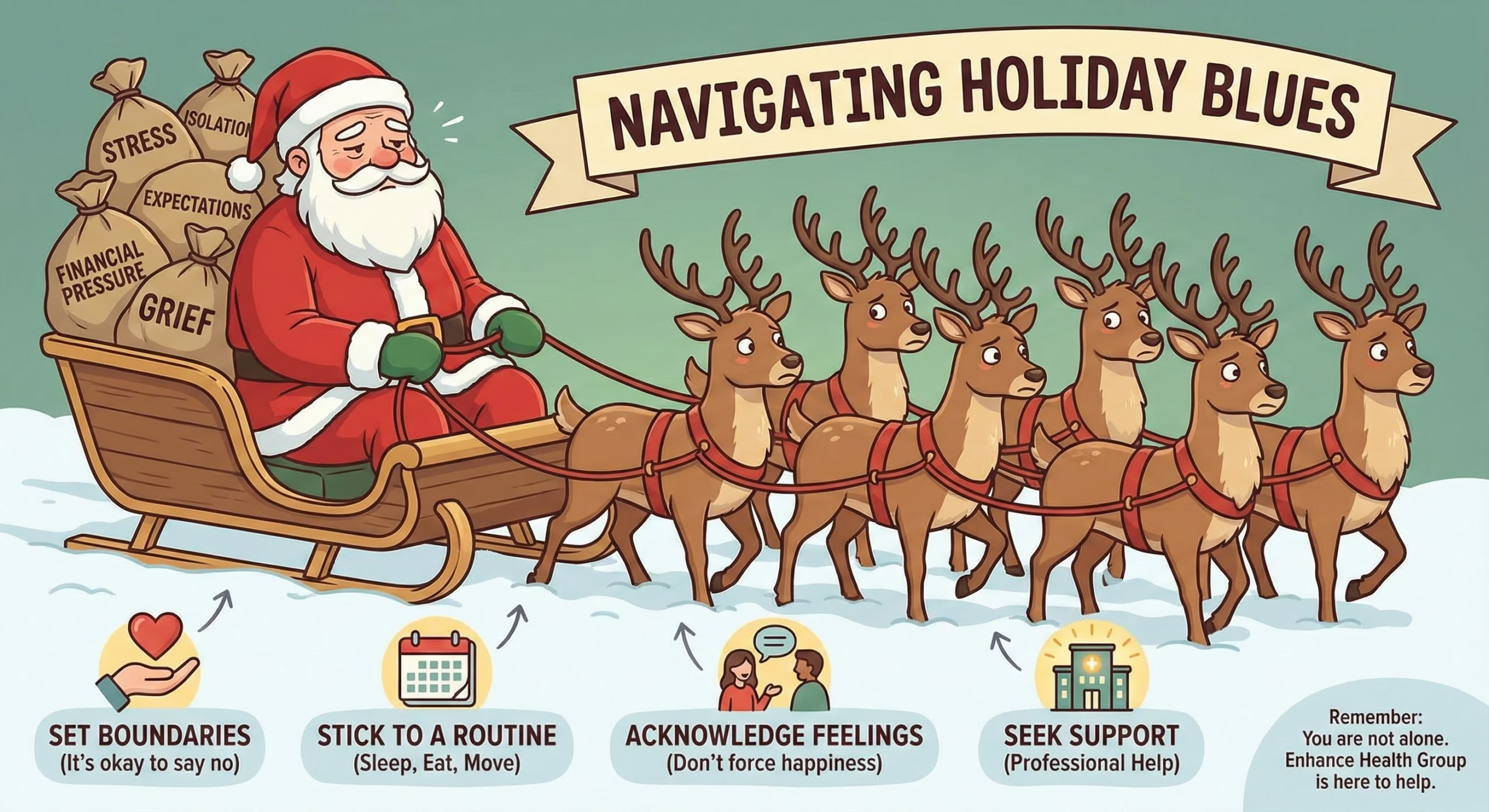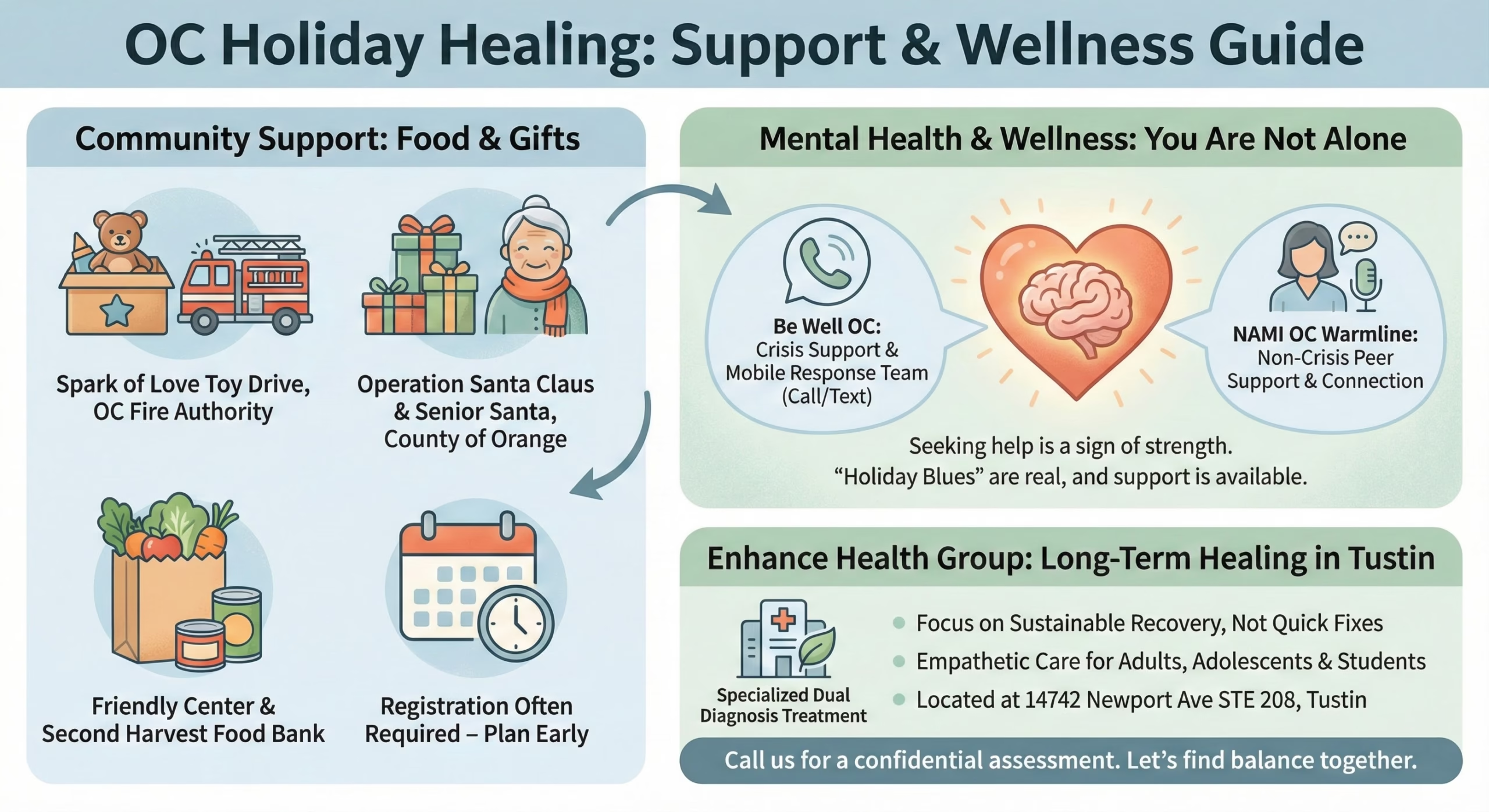
If you're coping with holiday stress by drinking more, skipping sleep, or dreading every invitation, it's time to talk to someone rather than wait for January. A rough December is common, but a few weeks of worsening mood, panic, or cravings is a pattern a clinician can help with, and the phone call is simpler than most people expect.
If you're thinking about hurting yourself or someone else is in danger, call or text 988 right now.
Coping With Holiday Stress When It's Starting to Take Over
Ordinary holiday stress usually eases once the event passes. When the dread, the sleeplessness, or the extra drinks carry on after the dinner is over, you're dealing with something bigger than a busy calendar. Many people can name the exact week things shifted, whether it was a family conflict, a first holiday after a loss, or a sober stretch that started slipping.
A few steps cost nothing and take little time. Pick one night this week to go to bed at the same hour, even if the house is loud. Decide before a gathering how long you'll stay and who you'll leave with. If alcohol is part of your trouble, plan a drink you'll hold instead, and line up one person you can text from the bathroom or the driveway. These steps won't fix depression, panic, or a substance problem, but they show you quickly whether the stress is manageable on your own.
Here's a plain test. If you've tried these changes for a couple of weeks and your mood, anxiety, or cravings are still getting worse, bring in a professional. You haven't failed at the holidays, because the load has simply outgrown what a good night's sleep and a shorter visit can carry.
Asking about care is a lower bar than people think. When you call our Tustin team at (714) 862-1907, you aren't committing to a program. Someone listens to what's been happening, asks what you'd like help with, and explains which kind of support might fit. You can call for yourself, or for a spouse, parent, or adult child you're worried about, and you don't need a diagnosis or a polished explanation first.
Signs the Season Has Become More Than Stress
Stress climbs before a hard event and drops afterward. A clinical problem doesn't follow the calendar that way. It shows up in your body, your habits, and your relationships, and it keeps going on ordinary Tuesdays.
Watch for these signs, especially if two or more are true at once. You're sleeping far less than usual, or you can't get out of bed on days with nothing scheduled. Your heart races or your chest tightens in situations that never bothered you before. You're drinking or using earlier in the day, in larger amounts, or alone, and hiding it from people who'd notice. You've stopped answering texts, canceled things you used to enjoy, or feel numb at gatherings that once mattered. You're snapping at people you love and feeling guilty afterward, or you keep thinking everyone would be better off without you.
Family members often see these before the person does. A parent who has always cooked the holiday meal and suddenly can't face the kitchen, or a sibling who left the table three times to take a call, is giving you information worth taking seriously.
Co-occurring problems are common, too. Someone who drinks to quiet panic, or who feels low because of substance use, has two conditions feeding each other. Our dual diagnosis care treats both together, so you don't have to guess which one came first before you ask for help.
If you can't tell whether what you're seeing counts, describe it to admissions in plain words. You'll get an honest read on whether an assessment makes sense.
Holiday Triggers for Depression, Anxiety and Relapse
Certain holiday situations reliably stir up symptoms, and knowing them ahead of time lets you plan around them. Grief tends to peak at the first holiday after a death or divorce, when an empty chair makes the loss feel new again. Family gatherings can bring back old roles and old arguments, which sets off anxiety in people who manage fine the rest of the year.
For depression, short days and a break from your usual routine often make things worse. Work structure disappears, sleep drifts, and isolation creeps in without anyone noticing. Anxiety usually spikes around money, travel, and hosting, and it can show up as a racing mind at 3 a.m. rather than visible worry.
Relapse has its own triggers. Parties where everyone is drinking, relatives who don't know or don't respect your sobriety, and pressure to "just have one" toast all put recovery at risk. So does a lonely evening when the holiday has left you with nobody to call.
Before a gathering, name the trigger you expect, such as a certain relative or an open bar. Then decide what you'll do when it happens, whether that's stepping outside, leaving early, or texting your sponsor or a friend who knows the situation. If you're already in treatment, tell your therapist about the dates you're dreading so the two of you can plan around them. Our virtual outpatient option helps when travel or family obligations make an in-person visit hard to fit in.
If a trigger has already led to a slip, that doesn't erase your progress. Tell admissions what happened, and they'll ask what you need now and explain which level of care might fit.
Which Level of Care Fits What You're Facing
The right level depends on how much support you need each day and whether home is a safe place to be while you heal. An assessment sorts that out, so you don't have to pick a level before you call.
Outpatient care suits people who are functioning but feeling worse, and sessions happen virtually through our virtual treatment center. An intensive outpatient program (IOP) in Tustin adds more structure while you keep living at home and, for many people, keep working. A partial hospitalization program (PHP), also in Tustin, is the step up when symptoms are interfering with most of your day but you can still sleep at home safely. The care team explains how often you'd attend once they've met you.
Some situations need a different setting. If drinking or drug use has reached the point where stopping could be physically risky, medical detox comes first. Detox, addiction residential care, and supported living take place at our sister facility, Embrace Treatment Center, and inpatient mental health care takes place at Eden by Enhance, edenbyenhance.com. Both are owned and run by the same people as Enhance, and admissions stays your first call, so you don't have to work out which door to knock on.
Two things can change the answer: a safety concern at home, and a substance problem alongside depression or anxiety. Mention both when you talk to admissions, because they point toward more structure or toward dual diagnosis treatment. The level can also change over time, and many people start higher and step down as the holidays pass and symptoms ease.
How to Raise It With Someone You Love
Pick a private, unhurried moment, not the middle of a gathering, the drive to a relative's house, or right after an argument. A quiet evening before the busiest days of the season works better, because nobody feels cornered and there's still time to act on what you talk about.
Start with what you've seen, in specific terms. "You've seemed exhausted since Thanksgiving, and I've noticed you leaving the table a lot" lands better than "You have a problem." Then say you're worried because you care, and ask what's been going on for them. After that, stop and listen. Most people need a few minutes before they say anything real, and they'll say more if you don't fill the silence with advice.
Expect some pushback. "I'm fine" and "it's just the holidays" are common first answers, and they don't mean the conversation failed. You can say you're not asking them to decide anything tonight, then offer one small step, such as sitting with you while you both call admissions. People agree to a phone call far more readily than to "treatment."
If you're the one making the call for them, have these ready: what you've noticed and for how long, whether alcohol or drugs are involved, and the name of their insurance plan. They don't need a diagnosis.
If they say no, skip the ultimatum. Tell them the offer stands, check in again in a few days, and keep inviting them to things.
What Happens When You Call Enhance
Someone from our Tustin admissions team starts by asking what's been going on, not by reading you a script. You can take your time, and most callers tell us a little, stop, and add more once they feel heard.
After that, the questions get practical. We'll ask how long things have felt this way, whether alcohol or drugs are part of it, and whether you feel safe at home right now. If you're calling about someone else, we'll ask what you've seen and whether they know you're calling. Have your insurance card nearby, though you can still talk without it.
If you want to look at coverage, we contact your plan and then explain your deductible, your copay, and which level of care may be covered. We work with plans including Anthem Blue Cross Blue Shield, Aetna, Cigna, Optum, United Healthcare, Blue Shield of California, MHN, Health Net, Ambetter, Multiplan, CalPERS, and Covered California. Benefits vary by plan, so we check yours rather than guess.
Then you get a plain recommendation. A clinician-led assessment helps place you in outpatient, IOP, PHP, or another level, and we'll tell you why we're suggesting it. You're free to ask questions, think it over, or call back after you've talked with your family.
When you're ready, call (714) 862-1907 or use the Verify insurance button below, and tell us what the season has been like so far.