
If you want to help at a feed the homeless event in Orange County, Enhance Health Group's team goes out to hand people a hot meal and a friendly face, with no pitch attached. Many of the people we meet are dealing with depression, trauma, or substance use on top of losing housing. A meal is how the conversation starts, and if someone wants treatment, we'll point them to a real next step.
If you or someone you're with is in crisis or thinking about suicide, call or text 988 right now.
Why Enhance Health Group Cares Holds a Feed the Homeless Event
Our team is based in Tustin, and the people we serve live in the same Orange County neighborhoods we do. Treatment only helps someone who knows it exists and trusts the person telling them about it, and a lot of people living outside have been turned away, talked over, or ignored for months. Handing someone a plate of food and asking their name is a different kind of first contact than a brochure or a referral line.
If you're thinking about volunteering or donating, here's what the day looks like from our side. Staff and volunteers serve meals, say hello, and answer questions when someone asks them. Nobody has to sit through a sales talk or fill out a form to eat. If a person asks about therapy, a medication question, or getting off alcohol or drugs, a team member can explain the options in plain words and write down how to reach admissions. Nobody is pressured to say yes on the spot, and many people won't. That's fine, because they'll know who to call when they're ready.
We also bring a clinical perspective to the table. Our clinicians include master's- and doctorate-level therapists, and our programs are accredited by The Joint Commission. That matters at an outreach event because the person handing you a meal can answer honestly if you ask what treatment involves, what a program is like, or whether insurance might help pay for it. Enhance is in-network with many major plans, and benefits vary by plan, so the admissions team checks yours before anyone makes a decision.
Expect a relaxed, short interaction, not a counseling session. Bring patience, a willingness to listen, and the understanding that a bad day on the street doesn't make someone a case to be solved. If you want to join a future event, ask admissions when the next one is planned and what supplies or volunteers are needed.
How Mental Health and Addiction Connect to Homelessness
The link runs in both directions, and it's rarely a straight line. Untreated depression, trauma, bipolar disorder, or a substance use problem can cost someone a job, a lease, or the family who might have helped. Then life outside makes every symptom worse. Sleep gets broken into pieces, a safe place to take medication disappears, and alcohol or drugs start to feel like the only thing that takes the edge off.
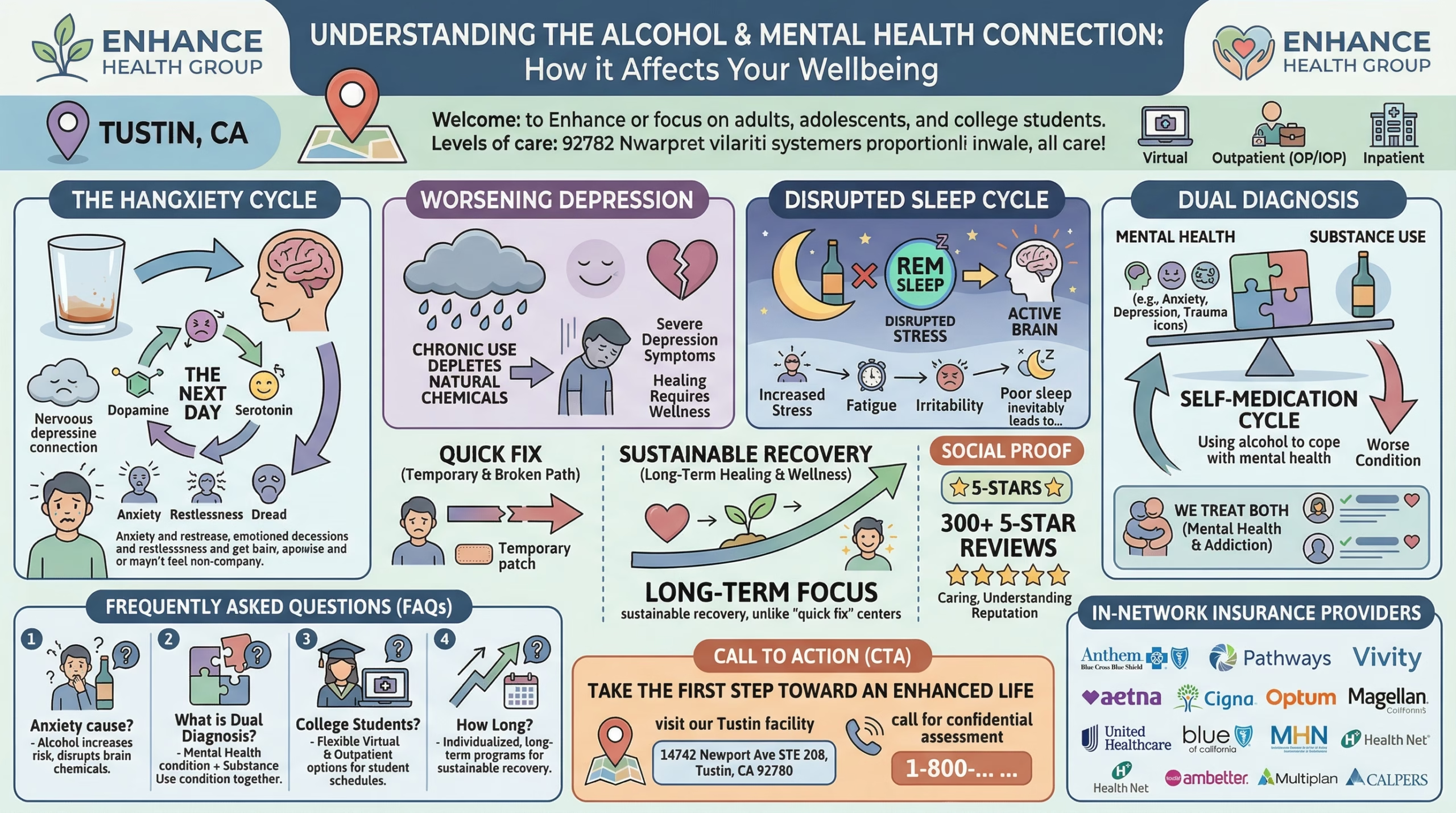
That cycle is why you'll meet people at an outreach event who have both a mental health condition and a substance use problem. Clinicians call this dual diagnosis, and it's treated best when one team looks at both at the same time. If anxiety is driving the drinking, treating only the drinking leaves the cause in place. The reverse is also true.
A few things you may notice when you talk with someone:
- They're wary or quiet, which often reflects past experiences with systems that didn't listen, not a lack of interest in help.
- They mention nightmares, panic, or not sleeping for days, which can point to trauma or an untreated mood disorder.
- They're unsure how to start, because paperwork, phone access, and transportation are real barriers when you don't have a home address.
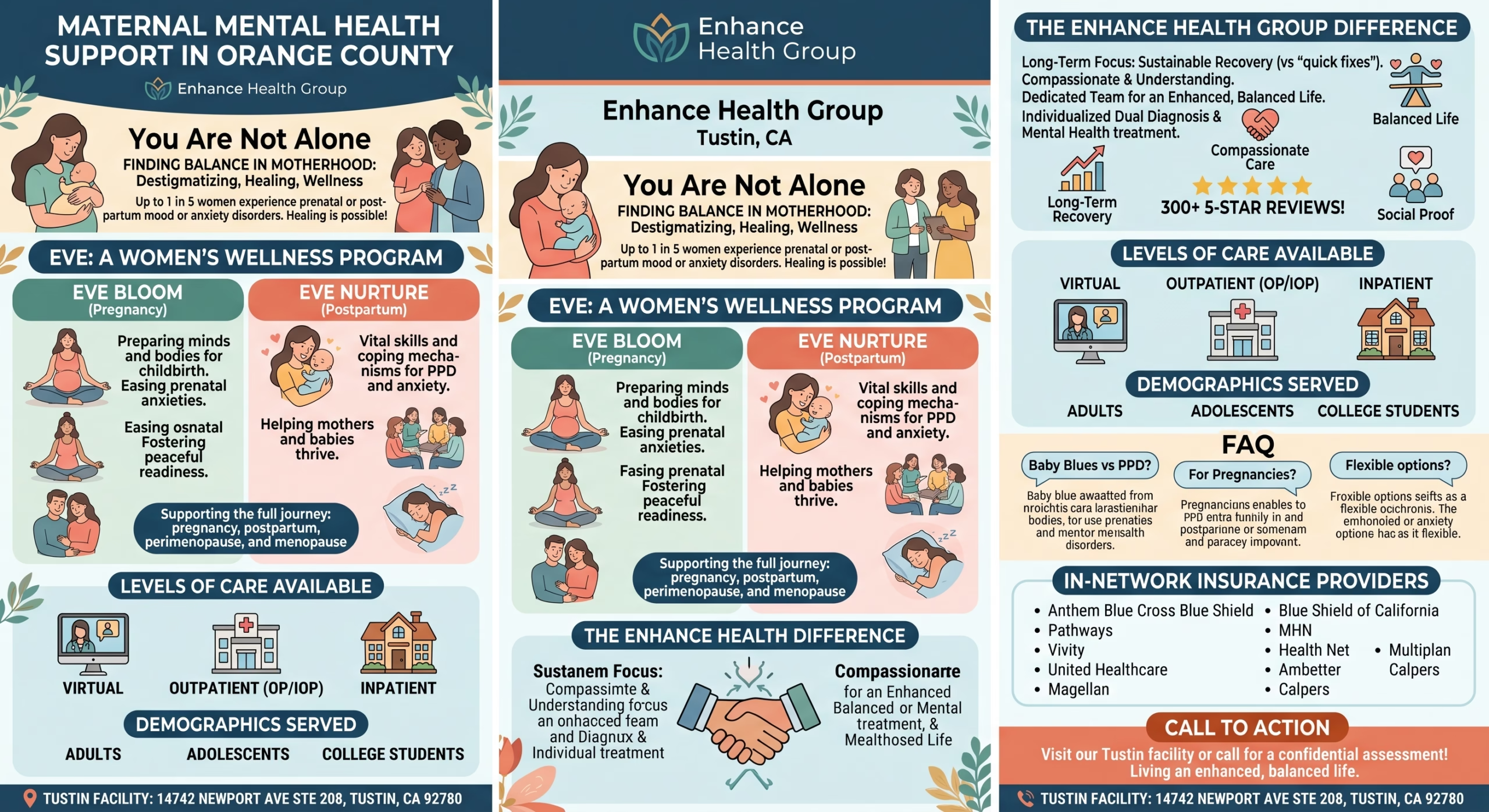
None of that lets you diagnose anyone, and you shouldn't try. What you can do is listen and describe what help looks like in simple terms. For someone who needs support but can still manage daily life, outpatient care or a partial hospitalization program (PHP) in Tustin may fit. People who need more structure or medical support may be a match for detox, residential care, or inpatient mental health care, and the admissions team explains which level fits after an assessment.
Housing and treatment also work better together. Our supported living program offers structured homes with staff oversight for people in PHP and IOP, so a person isn't asked to heal while also searching for a place to sleep. Ask admissions whether it's an option for the person you're thinking of.
Government resources can help in the meantime. SAMHSA's National Helpline is free, confidential, and available in English and Spanish at 1-800-662-4357, and it can point to local services.
How to Talk With Someone You Meet Who May Need Treatment
Start with something ordinary, like your name and an offer of food or water, and wait before you bring up treatment at all. People living outside get asked personal questions by strangers all day, so a few minutes of plain conversation about the weather, the meal, or the neighborhood tells them you aren't there to judge. Let them set the pace. If they want to talk, they will.
When the moment does come, ask an open question instead of a diagnosis. "How have you been sleeping?" or "Is there anything that would make this week easier?" gives them room to answer honestly. Avoid guessing what's wrong, and don't use labels like "addict" or "mentally ill." Use their words back to them. If they say they're exhausted and on edge, say that sounds hard, then ask if they'd like to hear about people who help with that.
If they say yes, keep the explanation short and concrete. You can tell them that Enhance Health Group has a team in Tustin that works with both mental health and substance use, that an admissions counselor will talk through what they're dealing with, and that the team checks insurance benefits for them. Write the number, (714) 862-1907, on a card or napkin, since many people don't have a charged phone. Offering to place the call together from your own phone often removes the biggest barrier.
If they say no, accept it without a speech. "That's okay, I'll leave this with you in case that changes" is enough. Pushing, even kindly, tends to end the conversation and makes the next volunteer's job harder.
Some situations call for a different response than a phone number. If someone talks about wanting to die, seems confused about where they are, or looks seriously ill or intoxicated, stay with them and get immediate help rather than handing over a card. You aren't expected to judge how severe it is, only to recognize when it's beyond what you can do on the spot.
Afterward, you're welcome to call admissions yourself and ask what the next step would look like for the person you met. You won't need their last name or their history, and the team can explain how an assessment works and what to bring.
What Happens When You Call Enhance Admissions
A real person from the Tustin team picks up and asks what's going on, in whatever words you have. You don't need a diagnosis, a referral, or a polished summary. Most callers start with something like "my brother is drinking again and I don't know where to begin, " and that's enough.
After the first few minutes, an admissions counselor will usually ask a handful of plain questions. They'll want to know what symptoms or substance use you're seeing, how long it's been going on, whether the person has been in treatment before, and whether anything feels urgent right now. If you're calling for someone else, say so. You can describe what you've noticed, and the counselor will explain what the next conversation would look like with your loved one.
Insurance comes up early because it shapes the options. Have the insurance card nearby if you can, or just the name of the plan and the member ID. Admissions contacts the insurance company, then explains the deductible, the copay, and which level of care your plan may cover. Benefits vary by plan, so the counselor works from your actual coverage rather than guessing. If you don't have a card, say that too, and ask what the options are.
From there, the clinical team recommends a level of care after an assessment. That could be outpatient, a PHP or IOP in Tustin, or a referral path toward detox, residential, or inpatient care. Detox and addiction residential care happen at our sister facility Embrace Treatment Center, and mental health inpatient care happens at Eden by Enhance. Both are run by the same people as Enhance, and you'd still work through our admissions team.
Nothing about the call commits you to anything. You can ask about privacy, what a typical week looks like, how family can take part, or what to bring. If you need time to talk it over with someone, the counselor can tell you what to have ready for the next call. Ask for the verification form on our site if you'd rather start in writing.
Levels of Care Available Through Enhance
Treatment at Enhance runs from a few hours a week at home to a full stay with round-the-clock medical support, and the right starting point depends on what the assessment finds, not on how long someone has been struggling. Most people begin somewhere in the middle and move up or down as things change.
Outpatient care is the lightest option. It's offered virtually through our virtual treatment center, so someone with a job, kids, or no reliable ride can meet with a therapist from a phone or laptop.
A partial hospitalization program (PHP) and an intensive outpatient program (IOP) both take place at our Tustin center. PHP is the more structured of the two, and IOP leaves more room for work, school, or family. Ask admissions how the schedule would fit your week, since they can walk you through it after the assessment.
Dual diagnosis care applies at any level. If depression and drinking are feeding each other, one team treats both instead of sending the person back and forth between providers.
Some people need more than a program they travel to each day. Detox and addiction residential care are available through Embrace Treatment Center, and mental health inpatient and residential care are available through Eden by Enhance. Neither happens at the Tustin office, and admissions coordinates the referral so you don't have to figure out who to call.
When you're deciding which level to ask about, these questions help:
- 1Can the person stay safe at home tonight, or do they need to be somewhere with staff?
- 2Is alcohol or drug use heavy enough that stopping suddenly could make them physically sick?
- 3Do they have a stable place to sleep, or would supported living make a daily program workable?
You don't have to answer them perfectly. The admissions counselor will ask the same things, and your best guess is enough to start.
Call (714) 862-1907 and tell the Tustin team who you're asking about and what you've noticed. They'll check your insurance benefits and explain which level of care your plan may cover, or you can use the Verify insurance button below.