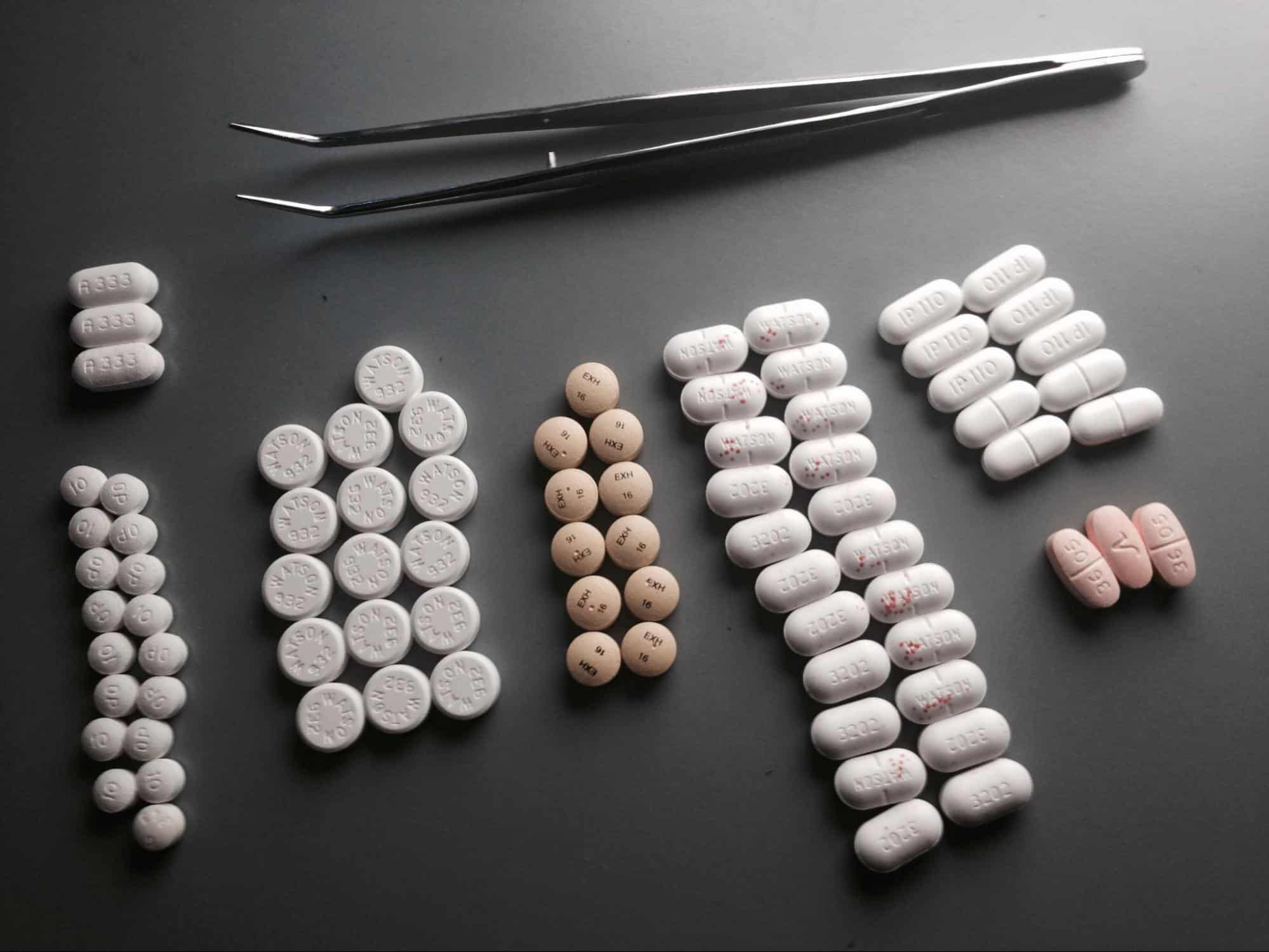
Benzodiazepine withdrawal can cause seizures, so stopping Xanax, Klonopin, Ativan or Valium on your own, or all at once, isn't safe. A medical team can set a slower, supervised plan and treat the anxiety and sleep problems that come back as the dose drops. Enhance Health Group in Tustin helps people across Orange County find the right level of care for that process.
If you or someone you love is in crisis or thinking about suicide, call or text 988 right now, and call 911 for a seizure, loss of consciousness, or any medical emergency.
Benzodiazepine Withdrawal Needs a Medical Plan
The reason a medical plan matters is that your brain adapts to these medications over weeks or months of use. Benzodiazepines slow down the nervous system, so when the drug leaves too fast, the system rebounds. That rebound is what produces the shakiness, racing heart, insomnia and panic people describe, and in some cases the seizures.
Because of that, the usual approach is a gradual taper rather than a clean stop. A prescriber lowers the dose in steps, watches how your body responds, and adjusts the pace if symptoms flare. Some people switch to a longer-acting benzodiazepine first so the dose can come down more evenly. Your history shapes all of this, including which medication you take, how much, how long you've taken it, and whether alcohol or other substances are involved. That's why two people on the same drug can end up with very different plans.
It also helps to know that withdrawal isn't always a detox-bed situation. Some people can taper while living at home and attending treatment during the day. Others need round-the-clock medical supervision at the start, especially after heavy or long-term use, a history of seizures, or mixing benzodiazepines with alcohol. A clinician decides which fits after an assessment, and the answer can change as you go.
Anxiety, depression or insomnia often sit underneath benzodiazepine use to begin with. Once the dose drops, those symptoms can return, sometimes louder than before. A good plan treats them directly with therapy and, where it's part of the plan, medication management by a licensed psychiatrist. Enhance Health Group treats mental health and substance use together through dual diagnosis care, so the reason you started the medication gets attention alongside the taper.
If you take a benzodiazepine as prescribed, don't change the dose before talking with the prescriber. If you've already stopped suddenly and feel unwell, get medical attention rather than waiting to see how the next day goes.
Symptoms and Warning Signs to Watch For
Symptoms usually start within hours to a few days of a dose drop or missed dose, and the timing depends on how long the medication stays in your body. Shorter-acting drugs like Xanax tend to bring symptoms on sooner than longer-acting ones like Valium or Klonopin. Ask the prescriber which category yours falls into.
The common signs are the same ones the medication was treating, often stronger:
- Anxiety, panic attacks or a sense of dread
- Trouble sleeping, or waking at night with a racing heart
- Tremors, sweating, headaches and muscle tension
- Nausea, poor appetite and sensitivity to light or sound
- Trouble concentrating, memory lapses and irritability
Some signs mean you shouldn't wait for an appointment. Confusion, hallucinations, severe agitation, a fever, or a seizure all need emergency care. The same goes for symptoms that get worse each day instead of leveling off.
Families often spot changes before the person does. Look for new shakiness, pacing at night, sudden mood swings, or someone who becomes fixated on getting a refill early. Running out of pills sooner than expected, or taking extra doses to feel normal, is a sign the body has come to depend on the drug. It doesn't mean the person is careless.
Some symptoms can last weeks or even months after the dose comes down, including anxiety, sleep trouble and a flat or low mood. That's one reason a taper is paced slowly and why ongoing therapy matters after the medical part is done. If your symptoms keep returning or you can't tell what's withdrawal and what's the original anxiety, a clinical assessment can sort that out. Enhance admissions can help you take that first step toward one.
Detox First, Then PHP, IOP or Virtual Outpatient Care
When someone needs round-the-clock medical supervision at the start, medically supervised detox comes first, and ongoing treatment follows once the body has stabilized. Detox takes place at Embrace Treatment Center (embracetreatment.com), a sister facility of Enhance owned and run by the same people. Enhance admissions stays your first call, and they coordinate the referral so you aren't piecing it together alone.
After detox, or in place of it when a clinician decides you can taper safely at home, the next step is one of three levels of care at Enhance.
A partial hospitalization program (PHP) in Tustin is the most structured option. You attend treatment during the day and go home or to supported living afterward, which suits people whose anxiety or insomnia is still severe as the dose comes down. An intensive outpatient program (IOP), also in Tustin, asks for less time and fits people who are working, parenting or caring for family while they taper. Virtual outpatient care, offered through virtualtreatmentcenter.com, lets you attend therapy by video when driving to Tustin isn't realistic.
Which level you start with comes from an assessment, not from a menu you pick yourself. The clinician looks at your medication, how long you've taken it, any history of seizures, and what else is going on with your mental health. Because the plan can change, many people step down from PHP to IOP to virtual care as symptoms settle.
Therapy runs alongside the taper at every level. That means individual sessions and skills for managing panic and sleeplessness, plus medication management with a licensed psychiatrist when it's part of your plan. Ask admissions how your schedule would work, since session times depend on the program you're placed in.
How to Bring It Up With Someone Taking Benzodiazepines
Pick a calm moment when neither of you is rushed or upset, and start with what you've seen instead of what you think they should do. "I've noticed you're not sleeping, and you seem shaky in the mornings" lands better than "I think you're addicted." Many people on benzodiazepines were prescribed them for real anxiety or insomnia, so they may hear any concern as a threat to the one thing that helps.
Say plainly that you're not asking them to stop. Stopping fast is the dangerous part, and telling them that removes the fear most people carry into this conversation. What you're asking is for them to talk with a clinician about whether the current dose is still working and what a slower plan could look like.
Expect pushback. Common responses are "my doctor prescribed it, " "I need it to function, " or silence. Don't argue the point. Ask what the medication does for them, listen to the answer, and come back to it later if they aren't ready. One conversation rarely settles it.
Offer to do the practical work. You can sit with them while they call, write down the name of the medication, the dose and how long they've taken it, and note whether alcohol or other substances are involved. Those are the same details the clinician will ask about in an assessment.
If you want to talk it through before you speak to them, you can call Enhance admissions on your own. The Tustin team can explain what an assessment involves and which level of care might fit, and you don't need your loved one on the line to ask.
If they refuse, keep the door open and keep watching for the warning signs above. A person who says no today often says yes after a bad night.
What Happens When You Call Enhance Health Group
The person who picks up at (714) 862-1907 is on the Tustin admissions team, and the first few minutes are mostly questions about the medication. They'll ask which benzodiazepine it is, the dose, how long it's been prescribed, and whether the last dose was missed or reduced. Have the bottle nearby if you can, along with a list of any other medications, alcohol or substances in the picture.
They'll also ask about seizure history and how the person is feeling right now. If the answers sound like an emergency, they'll tell you to get medical care first, because a phone call to admissions can't replace that.
Next comes insurance. Give them the member ID on the card, and admissions will contact the plan to check benefits. They'll then explain the deductible, the copay, and which level of care your plan may cover. Benefits vary by plan, so the answer for your neighbor may not be the answer for you.
After that, the team arranges a clinical assessment. That assessment, not the phone call, decides whether you start with detox, PHP, IOP or virtual outpatient care. You won't be asked to pick a program on your own or commit to anything during the first call.
You can call for a parent, a spouse or a friend. Admissions will talk through what you've noticed and what a next step could look like, even if the person taking the medication isn't ready to speak with anyone yet. Sessions are confidential, and the questions you answer are used to match care, not to judge anyone for taking a prescribed medication.
If you'd rather start online, the form at verify your insurance sends the same information to the team. To talk to someone now, call (714) 862-1907.
Common Questions
How long does benzodiazepine withdrawal last?
It varies a lot from person to person, and a clinician can give you a realistic range only after learning your medication, dose and history. Shorter-acting drugs tend to bring symptoms on sooner, and a slow taper stretches the process out on purpose to keep it safer. Ask the assessing clinician how they'd expect your timeline to look and what would change it.
Can I keep taking my other medications during treatment?
Usually yes, but the prescriber needs the full list before anything changes. Some medications, such as sleep aids, opioids or alcohol, can interact with benzodiazepines and raise the risk during a taper. Bring every bottle or a written list to your assessment. A licensed psychiatrist reviews them together and tells you what stays, what adjusts and why.
Will I need to take time off work or school?
Not always. The level of care sets how much time treatment takes, and an IOP or virtual outpatient program is built to fit around a job, classes or family duties. A partial hospitalization program asks for more of your day. Admissions can explain how each level would affect your schedule, so you can talk with your employer or school once you know the plan.
What if I've tried to quit before and it didn't work?
A past attempt that ended in a relapse or a rough week doesn't rule out a better plan this time. Quitting cold or tapering without medical oversight is a common reason people stall, since symptoms can hit hard when the dose drops too fast. Tell the admissions team what happened before, including the dose and how long you lasted, so the clinician can build a slower, supervised approach.