
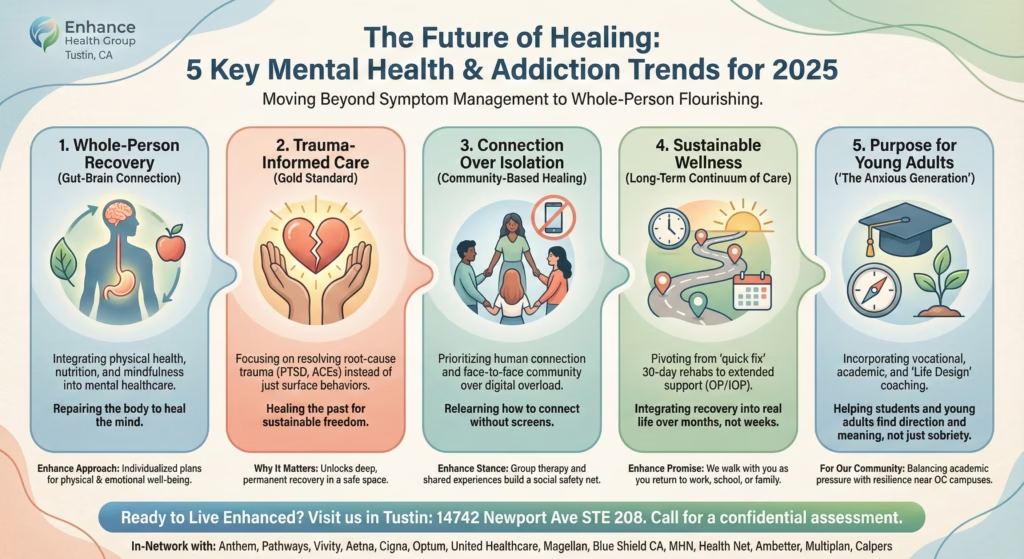
At Enhance Health Group, we believe that recovery is not just about stopping a behavior—it is about starting a life. As we move further into 2025, the conversation around mental health is shifting from simple “symptom management” to genuine, holistic flourishing.
Based on the latest research and the evolving needs of our clients in Orange County, here are the top five trends shaping the future of recovery.
1. The Shift to “Whole-Person” Recovery
The days of treating addiction or depression in a vacuum are over. The most significant trend of 2025 is the integration of physical health into mental healthcare. This is often called the Gut-Brain Connection or Holistic Psychiatry.
What it means: Treatment is no longer just talk therapy; it now includes nutritional counseling, physical wellness, and mindfulness. Research shows that repairing the body is essential to repairing the mind.
The Enhance Approach: We have always championed this. Our programs don’t just look at a diagnosis; we look at you—your lifestyle, your physical health, and your emotional well-being—to create a truly individualized path to healing.
2. Trauma-Informed Care as the Gold Standard
Trauma is often the silent engine driving substance use and mental health struggles. The industry is finally moving away from asking “What is wrong with you?” to asking “What happened to you?”
The Trend: dual diagnosis treatment is now heavily focused on resolving underlying trauma (PTSD, adverse childhood experiences) rather than just managing surface-level behaviors.
Why it matters: Without addressing the root cause, recovery is often temporary. By processing trauma in a safe, empathetic environment, we unlock sustainable freedom.
3. Connection Over Isolation (The “Anti-Loneliness” Movement)
While telehealth and AI therapy bots are trending, there is a powerful counter-trend emerging: the desperate need for human connection. For adolescents and college students especially, digital overload has led to a spike in loneliness.
The Trend: A return to community-based healing. “Digital Detox” elements are being integrated into treatment to help clients relearn how to connect face-to-face.
Our Stance: Technology is a tool, not a cure. We offer Virtual IOP for convenience, but our heart beats in our Tustin facility, where group therapy and shared experiences create the social safety net necessary for long-term recovery.
4. Moving From “Crisis Care” to “Sustainable Wellness”
For too long, the industry focused on “spinning door” rehabs—quick 30-day fixes that rarely stuck. The 2025 trend is a massive pivot toward Long-Term Continuum of Care.
The Trend: Extended outpatient programs (OP/IOP) that support clients for months, not just weeks, allowing them to integrate recovery into real life.
The Enhance Promise: This is our specialty. We reject the “quick fix” mentality. Our programs are designed to walk with you as you return to work, school, or family life, ensuring you have support when it matters most.
5. Bridging the Gap for “The Anxious Generation” (Young Adults)
College students and young adults are reporting lower stigma but higher confusion about “flourishing.” It’s not enough to not be depressed; young people want to feel a sense of purpose.
The Trend: Treatment programs are incorporating vocational support, academic coordination, and “Life Design” coaching to help young adults find direction, not just sobriety.
For Our Community: Located near several major universities and colleges in Orange County, our track for students focuses on balancing academic pressure with emotional resilience.
Frequently Asked Questions
Q: Why is “Trauma-Informed Care” important for addiction treatment? A: Trauma-informed care recognizes that addiction is often a coping mechanism for deep emotional pain. By treating the underlying trauma safely and compassionately, we remove the need for the substance, leading to deeper and more permanent recovery.
Q: Do you offer holistic treatments at your Tustin facility? A: Yes. We believe in treating the whole person. Our individualized treatment plans often incorporate elements that support physical, emotional, and mental wellness to ensure a balanced recovery.
Q: How does your Long-Term focus differ from a standard 30-day rehab? A: Standard 30-day programs often discharge clients just as they are stabilizing. Our long-term focus, through our Outpatient and IOP levels of care, supports you as you navigate the real-world triggers of daily life, which is where true recovery happens.
Q: Can I attend treatment while still going to work or college? A: Absolutely. Our Outpatient (OP) and Intensive Outpatient Programs (IOP) are specifically designed to offer flexible scheduling, allowing you to maintain your career or education while receiving the care you deserve.
Ready to Live Enhanced?
If you or a loved one are resonating with these trends—if you are looking for more than just a quick fix and want a partner in long-term wellness—we are here to listen.
Visit us in Tustin: 14742 Newport Ave STE 208, Tustin, CA 92780. Call us today: Reach out for a confidential, compassionate assessment. Let’s start your journey to an enhanced life.